

We profit when you lose money betting. That’s the fundamental business model. The house edge built into odds ensures that over time, most bettors lose more than they win. We’re not a charity, we’re a business, and our interests don’t align perfectly with yours. This creates inherent tension in discussing responsible gambling, because truly responsible gambling from a harm-prevention perspective would mean many people betting less or not at all.
Regulations require us to provide responsible gambling tools and resources. We comply with those requirements, and we go somewhat beyond minimum legal obligations. But let’s be honest about the limitations. These tools only work if you actually use them, and they work against our revenue interests. We’ve designed a product meant to be engaging and encourage repeat use. Responsible gambling measures are the brakes on a system built to accelerate.
This isn’t an excuse or an attempt to avoid responsibility. It’s context that matters when evaluating the tools and advice we’re providing. Take everything here seriously, use the protections available, and understand that ultimately you’re responsible for your own behavior and the consequences that follow.
Understanding Problem Gambling

Problem gambling exists on a spectrum. At one end are people who occasionally bet more than they should or chase losses for a session before regaining control. At the other end are people whose lives have been destroyed by uncontrollable gambling, who’ve lost homes, marriages, careers, and still can’t stop.
The clinical diagnosis is gambling disorder, recognized in diagnostic manuals alongside substance addictions. The criteria include needing to bet increasing amounts to achieve desired excitement, restlessness or irritability when trying to cut down, repeated unsuccessful efforts to control gambling, preoccupation with gambling, gambling when feeling distressed, chasing losses, lying to conceal extent of gambling, jeopardizing relationships or opportunities because of gambling, and relying on others to provide money to relieve desperate financial situations caused by gambling.
You don’t need to meet every criterion to have a problem. Even exhibiting a few of these behaviors suggests gambling has become unhealthy. The progression often starts gradually. You enjoy betting, it’s entertaining, you win sometimes. Then you start thinking about it more often. You bet larger amounts chasing the excitement of earlier wins. You start hiding the extent of your betting from people close to you. You chase losses trying to get back to even. Before you fully realize what’s happened, gambling has become central to your life in destructive ways.
Risk factors that increase likelihood of developing problems include starting gambling at young ages, family history of gambling or addiction problems, mental health issues like depression or anxiety, personality traits like impulsivity or competitiveness, and experiencing early big wins that create false confidence. None of these guarantee problems, but they increase vulnerability.
The brain chemistry involved resembles substance addiction. Gambling triggers dopamine release in reward pathways. Near-misses activate similar brain regions as wins, creating excitement even from losses. Variable reward schedules where wins are unpredictable are more addictive than consistent outcomes. The psychology of gambling is engineered to be compelling, and some people are more susceptible than others.
Financial harm is the most obvious consequence but far from the only one. Relationships suffer when gambling becomes secretive and time-consuming. Work performance declines when preoccupation with betting interferes with concentration. Mental health deteriorates under stress of mounting losses and deception. Some people resort to illegal activity to fund gambling or cover losses. Suicide rates among problem gamblers are significantly elevated.
Warning Signs to Watch For
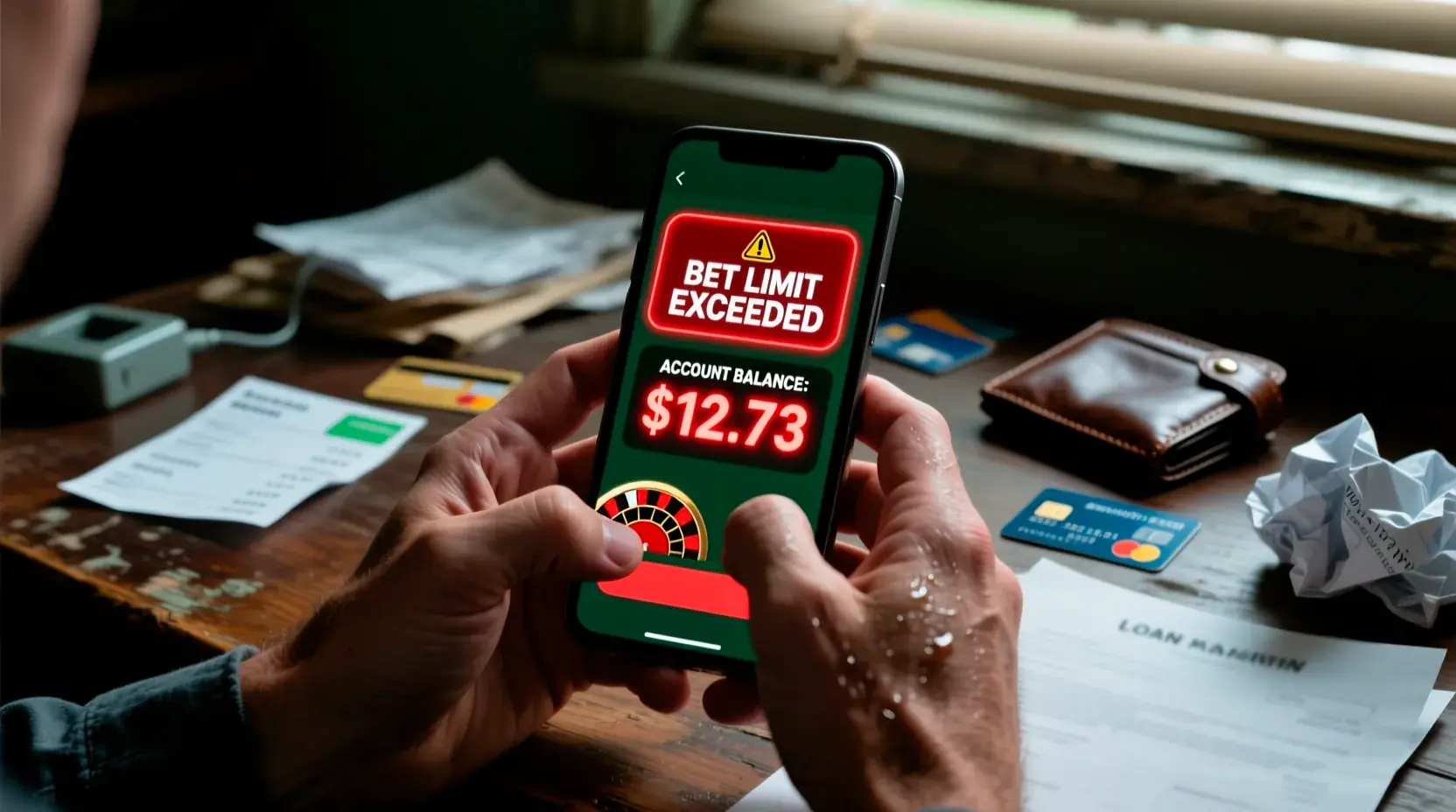
Recognizing problem gambling in yourself is difficult because denial is part of the condition. You minimize losses, rationalize continued betting, and convince yourself you can stop whenever you want even as evidence accumulates that you can’t. External perspective helps, which is why input from people who know you matters.
Financial warning signs include betting with money needed for essential expenses like rent or food, borrowing money to gamble or cover gambling losses, selling possessions to fund betting, requesting advances on paychecks, maxing out credit cards on gambling, and unexplained financial problems or inability to account for where money went.
Behavioral changes that suggest problems include spending increasing amounts of time gambling, neglecting responsibilities at work or home, losing interest in activities previously enjoyed, becoming secretive about activities and whereabouts, lying about gambling or extent of losses, and becoming defensive or hostile when questioned about gambling.
Emotional indicators include mood swings based on gambling outcomes, gambling to escape problems or negative feelings, feeling restless or irritable when not gambling or when trying to cut down, and experiencing depression or anxiety related to gambling losses.
Relationship impacts show up as withdrawing from family and friends, conflicts with loved ones about gambling, neglecting family obligations, and prioritizing gambling over important relationships or events.
The chasing behavior is particularly diagnostic. After losing, you feel compelled to keep betting to win back what you lost. This is the clearest sign that gambling has become pathological rather than recreational. Recreational bettors accept losses and move on. Problem gamblers can’t let go and throw good money after bad trying to get back to even.
If people close to you express concern about your gambling, take it seriously even if you disagree with their assessment. They see patterns you might miss because you’re too close to the situation. Dismissing their concerns out of hand is itself a warning sign.
Setting and Maintaining Limits
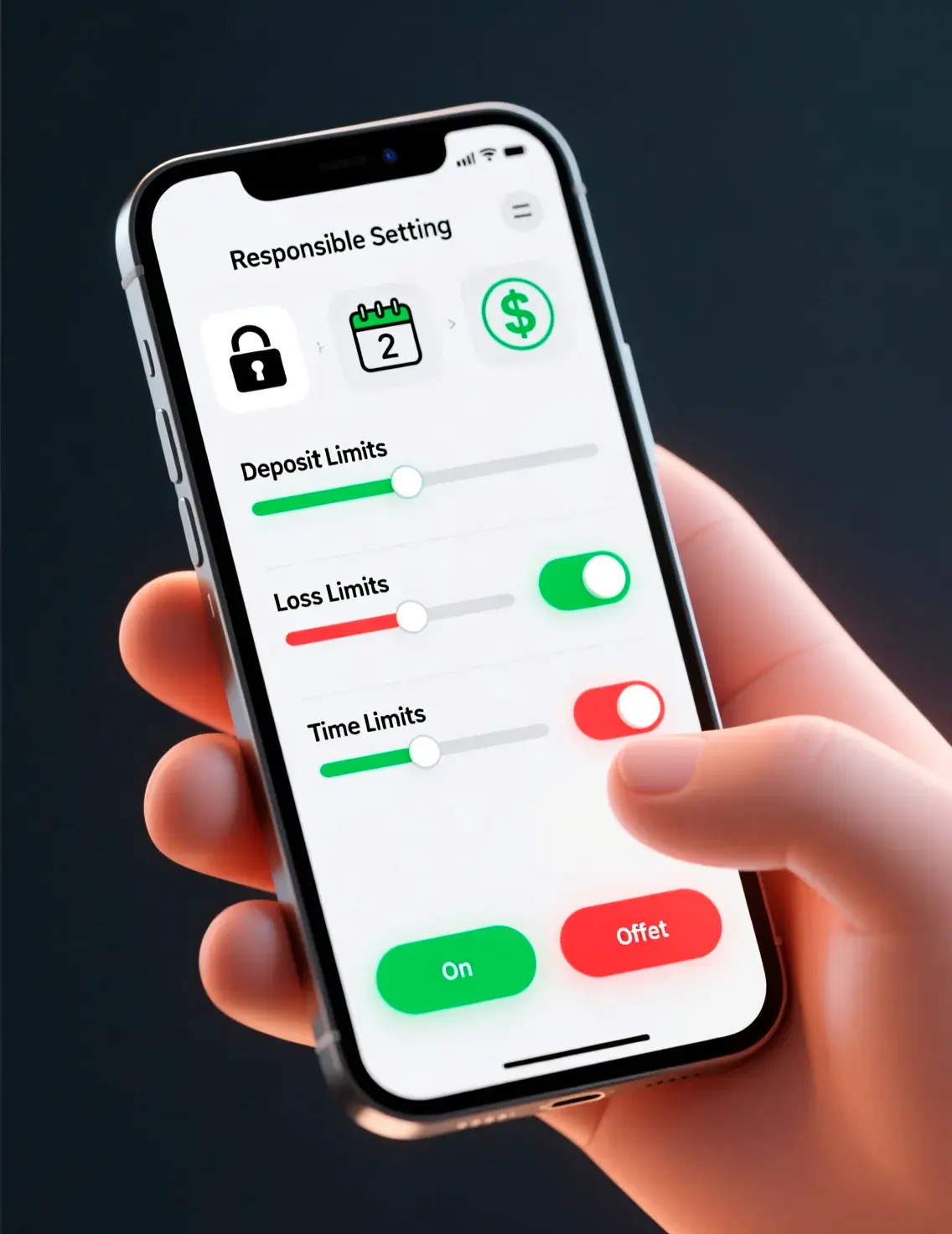
The single most effective protective measure is setting limits before you start gambling and sticking to them regardless of outcomes. This is simple in concept and extraordinarily difficult in practice when you’re in the middle of a losing streak or riding a winning one.
Deposit limits cap how much money you can add to your account in a given period. Daily, weekly, and monthly options let you control the maximum at risk. Setting these at amounts you can genuinely afford to lose without impacting your financial stability is crucial. If losing that amount would mean not paying bills, not buying groceries, or dipping into emergency funds, the limit is too high.
Decreases to deposit limits take effect immediately, which protects you from impulsive decisions to increase limits during losing streaks. Increases have mandatory waiting periods, typically seventy-two hours, to ensure you’re making the decision calmly rather than emotionally. This cooling-off period is annoying when you want to deposit more, but that annoyance is the point. If you can’t wait three days, you’re probably not in a good mental state to be increasing limits.
Betting limits restrict how much you can wager on individual bets or in total over periods. These are less common than deposit limits but can be effective for controlling the pace of potential losses. Someone who deposits a thousand dollars could lose it in minutes with no betting limits, or stretch it over weeks with appropriate restrictions.
Loss limits set a maximum amount you can lose over daily, weekly, or monthly periods. Once you hit the limit, you can’t place additional bets until the period resets. This forces you to stop when you’re losing rather than chasing further. The psychological difficulty is that loss limits feel most restrictive exactly when your impulse to keep betting is strongest.
Time limits notify you after spending designated durations actively betting. An hour passes much faster when you’re absorbed in gambling than you realize. Time limit notifications break the trance and prompt conscious decisions about whether to continue. Some people who intended to bet for thirty minutes discover they’ve been at it for three hours.
Session reminders display your current session statistics at regular intervals. Seeing that you’re down five hundred dollars after an hour can provide the reality check needed to stop before losses grow. These reality checks counteract the tendency to lose track of cumulative losses when focusing on individual bets.
Setting effective limits requires honesty about your financial situation and self-control. Limits that don’t constrain your behavior accomplish nothing. If you never deposit more than two hundred dollars monthly anyway, a thousand-dollar monthly deposit limit is meaningless. Set limits that actually create boundaries you’d otherwise cross.
The Self-Exclusion Option
Self-exclusion is the most extreme protective measure short of never gambling at all. It blocks your access to your account for a period you choose, ranging from months to years to permanent. During the exclusion period, you can’t log in, deposit, or bet. You can’t reverse the decision early, even if you change your mind the next day.
Choosing self-exclusion is admitting you can’t control your gambling through lesser measures. That admission is difficult and requires confronting denial. But it’s far better to self-exclude proactively than to continue gambling destructively until external forces like bankruptcy or family intervention impose worse consequences.
The decision should be made carefully, ideally when you’re not actively gambling and emotions are stable. Impulsive self-exclusion during a bad losing session might lead to regret when you’ve calmed down. Conversely, waiting until you’re in the right mindset might never happen if you’re deep in problem gambling. There’s no perfect time, but sober consideration is better than panic.
Exclusion periods should be long enough to matter. A one-week exclusion isn’t adequate for serious problems. Six months or a year forces genuine separation from gambling and time to develop alternative coping mechanisms and activities. Permanent exclusion is appropriate when gambling has caused severe repeated harm and you recognize you can’t engage safely at all.
During the exclusion period, the account remains closed to you but exists in our systems. We don’t process any requests to reopen early, no matter how persuasive your arguments. This inflexibility is the entire point. You set the boundary when you were thinking clearly, and we enforce it even when you want to cross it.
After exclusion expires, you can request account reopening. We don’t automatically reactivate. You must take affirmative steps to come back, which provides another decision point to consider whether returning to gambling is wise. Some people realize during exclusion that life is better without gambling and choose to make the exclusion permanent.
Multi-operator exclusion schemes exist in some jurisdictions, letting you exclude from all licensed operators simultaneously rather than having to self-exclude from each site individually. These are more effective because they prevent immediately moving to another platform when blocked from one. Check whether your jurisdiction offers such programs.
Self-exclusion is a tool, not a cure. It removes access but doesn’t address underlying issues driving problem gambling. Counseling, support groups, and dealing with mental health or life circumstances that contribute to gambling problems are necessary components of recovery. Exclusion buys time and removes temptation, but you need to use that time productively.
Resources and Support

Professional help is available and often free or low-cost. You don’t have to handle problem gambling alone, and trying to do so reduces your chances of success.
National gambling helplines provide confidential support via phone, text, and online chat. Trained counselors offer immediate crisis intervention and referrals to local resources. These services are free and anonymous. You don’t have to provide your name or any identifying information. The people answering are familiar with gambling problems and won’t judge you.
Gamblers Anonymous runs support group meetings following a twelve-step model similar to Alcoholics Anonymous. Meetings happen regularly in most cities, and online meetings are available for those without local access. Sharing experiences with others who understand the struggle provides support that friends and family, however well-meaning, often can’t offer.
Individual therapy with counselors specializing in addiction or gambling problems addresses underlying issues and develops coping strategies. Cognitive behavioral therapy specifically targets thought patterns that sustain gambling behavior. Many therapists offer sliding-scale fees based on ability to pay, and some insurance plans cover addiction treatment.
Financial counseling helps address debt and money management problems resulting from gambling losses. National organizations offer free counseling services for people in financial crisis. Getting finances stabilized removes some of the stress that can trigger continued gambling.
Family support services help relatives of problem gamblers understand the condition and cope with its impacts. Gambling problems affect entire households, and family members need support too. Education about enabling behaviors helps families avoid unintentionally sustaining gambling by bailing out problem gamblers financially.
Medical professionals should be consulted if gambling problems coexist with mental health conditions like depression or anxiety. Treating underlying mental health issues often reduces gambling urges. Some medications can help with impulse control, though they’re not specifically approved for gambling disorder.
Crisis lines for suicide prevention should be contacted immediately if you’re having thoughts of self-harm. The financial and personal devastation of problem gambling can lead to suicidal ideation. These are treatable temporary states, and crisis counselors are trained to help you through immediate danger.
We maintain links to these resources on our site, though the existence of these links doesn’t absolve us of responsibility for operating a business that profits from gambling. We’re required by regulation to provide this information, but beyond that, it’s the right thing to do even though it works against our commercial interests.
How We Identify Problem Gambling
Beyond relying on you to recognize problems and use voluntary tools, we monitor for behavioral patterns that suggest concerning gambling. Our systems flag accounts exhibiting warning signs for review by trained staff.
High-frequency betting sessions where you’re placing dozens or hundreds of bets in short periods suggests loss of control. Recreational bettors take time between wagers to consider options. Compulsive rapid betting is trying to chase losses or maintain the high of action.
Dramatic increases in betting amounts compared to your historical patterns indicate escalation. Someone who usually bets ten or twenty dollars suddenly wagering hundreds per bet has likely crossed into problem territory.
Deposit-loss-deposit cycles where you deposit funds, lose them quickly, immediately deposit more, and repeat suggest chasing behavior. Healthy betting involves depositing, using those funds over time, and stopping when the money is gone rather than immediately reloading.
Late-night or early-morning betting sessions at unusual hours can indicate compulsive behavior and neglect of sleep and other responsibilities. While some people simply have unusual schedules, extreme patterns warrant attention.
Rapidly increasing deposits near limit thresholds or repeated requests to increase limits, especially following losses, are clear red flags. You’re trying to circumvent protective measures you previously set for yourself.
When these patterns are identified, we might proactively contact you expressing concern and suggesting use of responsible gambling tools. Some jurisdictions require this outreach, others leave it to operator discretion. The intervention is uncomfortable for both parties but necessary.
We might impose cooling-off periods, mandatory breaks, or limit reductions if behavior appears severely problematic. This is controversial because it overrides your stated preferences, but regulations increasingly require operators to intervene when customers show signs of harm. The balance between respecting autonomy and preventing harm is difficult.
Perfect identification is impossible. Systems have false positives, flagging harmless behavior as concerning. They also have false negatives, missing genuine problems. Professional bettors might exhibit patterns that look like problem gambling but actually reflect skilled advantage play. Conversely, someone who’s destroyed their finances might not trigger any flags if they’re betting within modest self-imposed limits using borrowed money we don’t see.
To learn more about our company, please visit the About Us page.
Age Verification and Youth Protection
Preventing underage gambling is a responsibility we take seriously, though enforcement is imperfect. Age verification during registration uses database checks against official records. We require documents proving age before processing withdrawals.
Determined minors using false information or identity theft can sometimes circumvent these checks. When underage accounts are discovered, they’re immediately closed. Deposited funds are returned, but any winnings are forfeited. This policy might seem harsh toward young people, but it discourages underage gambling by removing profit motive.
Parents discovering children have created accounts should contact us immediately regardless of how they learned about it. We’ll close the account, investigate how age verification failed, and adjust processes to prevent recurrence. We’d rather know about the breach than have it continue undetected.
Parental control software that blocks gambling sites is available from multiple vendors. This is more effective than relying solely on operator age verification, which determined minors might defeat. Parents bear primary responsibility for monitoring children’s internet use.
Marketing restrictions prohibit targeting advertising at minors or using imagery and messaging that appeals to underage audiences. We don’t sponsor youth sports teams, advertise on programming primarily viewed by minors, or use cartoon characters or similar youth-oriented content. Regulations in most jurisdictions mandate these restrictions, but they’re ethically necessary regardless of legal requirements.
Education about gambling risks in schools is beyond our direct control but important for prevention. Young people should understand gambling mathematics, probability, and risk before being exposed to opportunities to gamble. By the time they’re of legal age, they should already have realistic understanding of how gambling works and its potential harms.
Early exposure to gambling, even legal forms like lottery tickets or family poker games, correlates with higher rates of problem gambling in adulthood. Parents should consider carefully what gambling activities they expose children to and what messages they send about gambling.
The Reality of Recreational Gambling
Not everyone who gambles develops problems. Most people who bet on sports do so recreationally, within their means, and without negative consequences. Responsible gambling is possible, though it requires discipline and honesty about both your behavior and your motivations.
Entertainment value is the appropriate framework for recreational betting. You’re paying for the excitement and engagement of having action on games, similar to paying for movies, concerts, or other entertainment. The money you wager is the price of admission, not an investment with expected returns.
Losing should be expected and acceptable. You’ll lose more often than you win, and you’ll lose more money than you win over time. That’s how sports betting works. If losing feels devastating rather than disappointing, you’re betting too much.
Bankroll management means betting only with designated gambling money that’s completely separate from funds needed for living expenses, savings, or other financial obligations. If losing your bankroll would create financial hardship, you don’t have a gambling bankroll, you’re gambling with money you need.
Recreational bettors stop when their predetermined budget is exhausted. They don’t chase losses or dip into other funds to continue. They take losses in stride and wait until next week or next month when their entertainment budget refreshes.
Motivation matters enormously. Betting because games are more exciting with action, because you enjoy the challenge of analyzing matchups, because you have fun discussing bets with friends, these are relatively healthy motivations. Betting to escape problems, to cope with negative emotions, to pursue unrealistic dreams of striking it rich, or because you feel compelled rather than choosing freely, these motivations suggest problems.
Time spent gambling should be proportionate to its role as one recreational activity among many. If gambling dominates your free time and other hobbies have fallen away, that’s concerning regardless of whether you’re within financial limits.
Transparency with people close to you about gambling activities and amounts wagered is healthy. If you’re hiding or minimizing your gambling, ask yourself why. The need for secrecy often indicates awareness that your behavior wouldn’t withstand scrutiny.
Taking breaks from gambling is easier for recreational bettors than problem gamblers. Try not betting for a month. If that seems impossible or creates anxiety, you might have more serious attachment than you realize.
Our Conflicted Position
We profit from your losses, and we’ve built a product designed to encourage continued engagement. This creates unavoidable conflict with genuinely preventing gambling harm. The most effective harm prevention would be not operating gambling services at all, or making them so unappealing and restrictive that few people use them.
Regulations require responsible gambling measures, but they also allow us to continue operating a fundamentally problematic business model. We comply with requirements and implement additional voluntary measures, but we’re not primarily harm-prevention organizations. We’re entertainment companies that profit from risk-taking behavior that sometimes becomes addictive.
Marketing highlights winning possibilities and downplays losing likelihood. Promotional offers incentivize action. Product features are designed to be engaging and encourage repeat use. Variable reward schedules, near-miss experiences, and rapid bet placement all serve business objectives while potentially contributing to problematic behavior.
We’re regulated, which provides some protection compared to unregulated black-market operations. Licensing requirements mandate certain player protections, financial segregation, dispute resolution mechanisms, and operational standards. Regulated gambling is safer than unregulated alternatives, though still inherently risky.
Tension between profit maximization and harm prevention is real and unresolved. We implement protective measures and provide resources, but we’re not neutral parties in the question of whether you should gamble. Our business model requires that many people gamble regularly and some people gamble excessively.
This honest acknowledgment of conflicted interests should inform how you engage with gambling services. We’re not your friend looking out for your best interests. We’re a business providing a risky product for profit. The relationship is fundamentally commercial and adversarial in the sense that our interests diverge.
Use protective tools available, but understand they’re incomplete defenses against products designed to be compelling. External support, personal discipline, honest self-assessment, and recognition of gambling’s true nature are necessary components of responsible engagement.
Making Informed Decisions

Gambling should be an informed choice made with clear understanding of risks, mathematics, and probabilities. Most people who gamble don’t truly understand the odds against them or how house edges work mathematically.
Every bet has negative expected value. Over time, you will lose money. Individual bets might win, short-term results might be positive, but long-term mathematics are inexorable. The only way to not lose money gambling is not to gamble.
Winning streaks end. Luck regresses toward the mean. The fact that you’ve won recently doesn’t indicate continued future winning. Each bet is an independent event with odds against you.
Betting systems don’t work. Progressions, martingales, pattern recognition, and similar approaches don’t overcome house edge. People who claim otherwise are either lying or self-deceived.
Professional sports bettors exist but are extremely rare. The skill level required to overcome house edge consistently is far beyond what casual bettors possess. Most people who think they’re skilled are actually just experiencing positive variance that will eventually reverse.
If gambling stops being fun, stop gambling. Entertainment that causes stress, financial problems, or relationship conflicts isn’t entertainment anymore. There’s no shame in recognizing gambling isn’t right for you and walking away.
Help is available when you need it. Admitting problems and seeking support is strength, not weakness. The earlier you address issues, the less damage occurs and the easier recovery becomes.
Find safe and effective strategies at BuildBetGuide.com.
