

We collect a lot of data about you. That’s just the reality of operating a modern online platform, especially one dealing with financial transactions and regulated gambling. Some of that collection is legally required, some enables features you want, and some serves our business interests. We’re going to explain what we collect, why we collect it, what we do with it, and what control you have over it.
The goal here is genuine transparency, not just regulatory compliance. You deserve to know what happens to your information, even if that knowledge doesn’t change whether you use our service. Privacy policies tend to be written to minimize legal risk rather than maximize user understanding. We’re attempting both, which makes this longer and more detailed than it might otherwise be, but hopefully more useful.
This content is covered in our main Privacy Policy.
Information We Collect From You
When you create an account, we ask for basic identifying information including your full legal name, date of birth, residential address, email address, and phone number. This isn’t optional or negotiable. We’re legally required to verify your identity before allowing you to gamble, which means we need information that can be verified against official records.
Your date of birth confirms you’re of legal gambling age. Your address helps establish jurisdiction, which matters because gambling laws vary dramatically by location. Your name needs to match your payment methods and identity documents for fraud prevention and anti-money-laundering compliance. The email and phone number let us contact you about your account.
Beyond basic registration data, we collect information about how you use the platform. Every bet you place gets logged including the amount wagered, the odds accepted, the outcome selected, the event details, and the timestamp. We track deposits and withdrawals including amounts, payment methods used, and transaction times. We monitor login activity noting when you access your account, from what IP address, and using what device.
Your browsing behavior on our site gets captured through analytics. We see which pages you visit, how long you spend on each, where you came from before arriving at our site, and where you go after leaving. We track which betting markets you view even if you don’t place wagers, which features you use, and how you navigate through the interface.
Device information comes along automatically with your connection. Your browser type and version, operating system, screen resolution, language settings, and timezone all get collected. This helps us optimize the site for different devices and identify potential security issues like unusual access patterns.
Some information we request explicitly through forms or support interactions. If you contact customer service, we log the conversation including your questions, our responses, and any information you provide during the exchange. If you participate in promotions requiring additional details, that information gets collected and stored.
Financial information deserves special attention. We don’t store complete credit card numbers or banking details directly. Payment processors handle that sensitive data, and we receive only tokenized references that let us initiate transactions without possessing the underlying account information. This reduces our security exposure and your risk if we suffer a data breach.
Identity verification documents represent some of the most sensitive data we collect. Government-issued IDs, utility bills, bank statements, and similar materials provide proof of identity and address. These documents contain far more information than we actually need, but we’re required to collect them in their entirety. How we handle these documents and limit internal access to them is covered later in the security section.

Information We Get From Other Sources
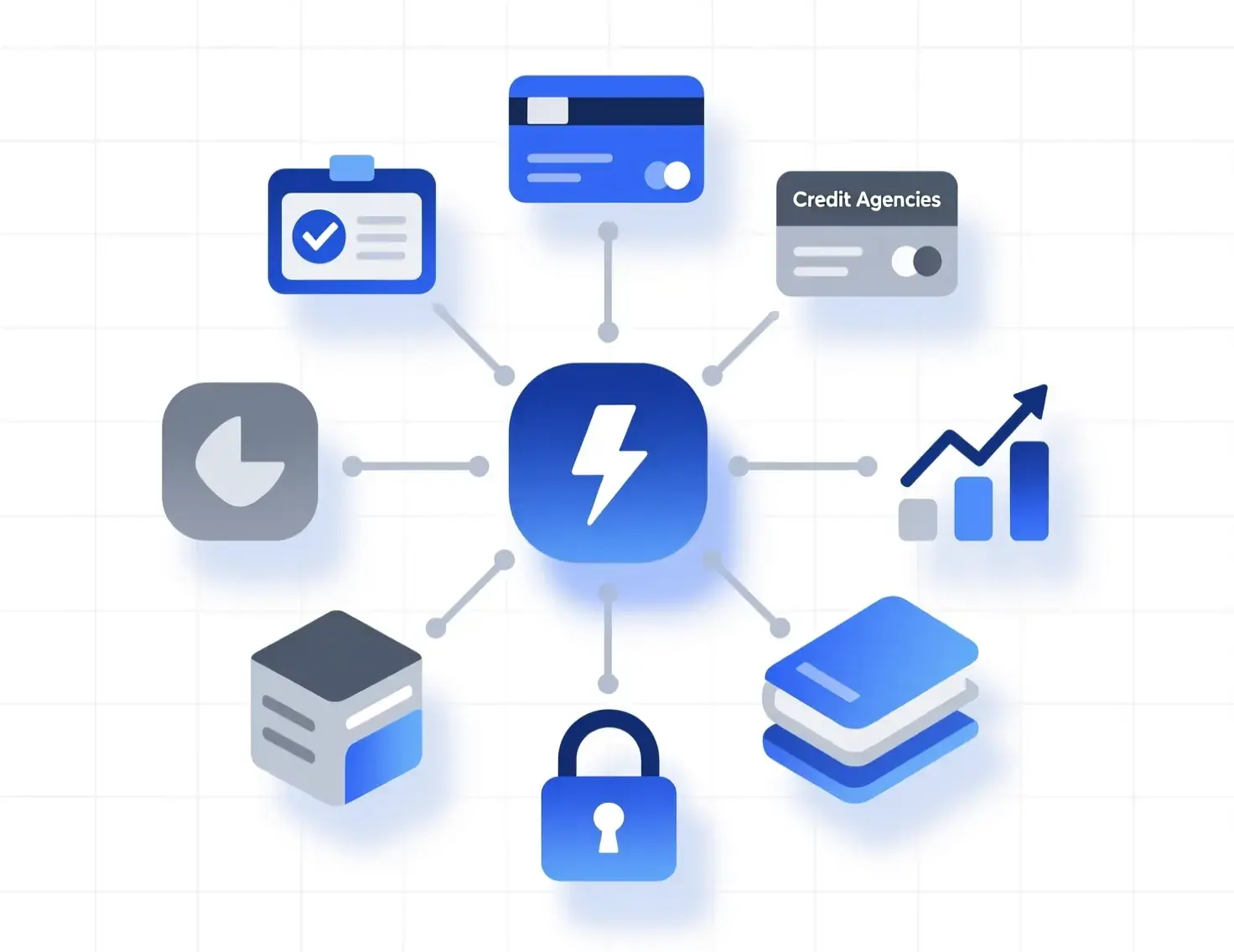
Not everything we know about you comes from you directly. We obtain data from third-party services and public sources to supplement and verify what you provide.
Identity verification services check your information against official databases and public records. When you submit documents, automated systems compare them against known fraud patterns and validate them against issuing authority databases where possible. These services return risk scores and verification results without giving us access to their underlying data sources.
Payment processors share information about your transactions including whether payments succeed or fail, reasons for failures, and sometimes details about your payment history with that processor across multiple merchants. This helps us identify fraud patterns and comply with financial regulations.
Credit reference agencies may be consulted in some jurisdictions to verify identity and assess risk. This doesn’t involve a credit check that affects your credit score, but rather identity confirmation services these agencies provide.
Marketing partners and affiliate networks that referred you to our site share information about how you arrived, which promotional materials you engaged with, and sometimes demographic data they’ve collected independently. This helps us understand acquisition channels and optimize marketing, though it also means information about you is being shared between companies in ways you might not expect.
Public records and databases help verify addresses, check for connections to fraud or criminal activity, and identify discrepancies in information provided. These checks are standard in regulated gambling and financial services.
Other betting platforms and industry databases share fraud warnings and banned player lists. If you’ve been caught cheating or committing fraud elsewhere, that information circulates through industry channels. This isn’t comprehensive enough to catch every bad actor, but it creates some barrier against serial offenders.
Why We Need Your Information
Multiple motivations drive data collection, some more obvious than others. Legal compliance comes first in terms of necessity. Gambling regulations require identity verification, age confirmation, jurisdiction validation, and financial monitoring. These requirements are non-negotiable, and we’d collect this data even if it served no other purpose.
Anti-money-laundering and counter-terrorism-financing obligations mandate extensive record-keeping and monitoring. We’re required to maintain detailed transaction histories, identify suspicious patterns, and report certain activities to authorities. The information collected for this purpose extends well beyond what would be necessary for basic service provision.
Fraud prevention benefits everyone, though it requires collecting and analyzing data that might seem intrusive. Unusual betting patterns, multiple accounts, stolen payment methods, and similar risks are identified through data analysis. The more information we have, the better we can distinguish legitimate users from fraudsters.
Service provision requires certain information. We need to know who you are to maintain your account, track your balance, and process your bets. Payment information enables deposits and withdrawals. Contact information allows us to communicate about your account.
User experience improvement drives collection of behavioral data. Understanding how people use the platform helps us identify problems, optimize interfaces, and develop new features. Analytics reveal usability issues that might not be apparent otherwise.
Marketing and promotional activities rely on user data to target offers appropriately. Knowing your betting preferences, activity levels, and response to previous promotions helps create relevant offers rather than generic spam. This benefits users who receive tailored promotions and us through better conversion rates.
Risk management extends beyond individual fraud to platform-wide concerns. We need to monitor overall activity patterns to identify manipulation attempts, detect coordinated attacks, and respond to emerging threats. Individual data points contribute to these broader analyses.
How We Use Your Information
Your information serves multiple purposes, some transparent and others less obvious. Account management represents the most straightforward use. We maintain your profile, process transactions, settle bets, and handle customer service inquiries using the information you provide.
Verification processes consume significant data. Age verification confirms you meet legal gambling requirements. Identity verification prevents fraud and satisfies regulatory obligations. Address verification establishes jurisdiction and prevents money laundering. Payment verification ensures legitimate funding sources.
Transaction processing requires various data elements. Deposits need payment information and identity confirmation. Withdrawals require additional verification to prevent fraud. Bet placement uses account balance, odds acceptance, and event selection data. Settlement requires outcome verification and account updates.
Security operations analyze data continuously. Login patterns identify potential account compromise. Betting patterns reveal possible fraud or manipulation. Payment patterns suggest money laundering risks. Device information helps detect unauthorized access.
Marketing activities leverage user data for targeting and personalization. Email campaigns use activity levels and preferences to determine recipients. Promotional offers consider betting history and account value. Retention efforts identify at-risk users through declining activity patterns.
Product development benefits from aggregated user data. Feature usage statistics guide development priorities. User journey analysis reveals friction points. A/B testing measures improvement effectiveness. Feedback correlates with actual behavior patterns.
Regulatory compliance requires extensive data use. Suspicious activity reports draw from transaction histories. Responsible gambling monitoring tracks potentially problematic behaviors. Age verification checks run periodically. Jurisdiction restrictions are enforced through location data.
Customer support uses historical data to resolve issues. Previous interactions provide context for new inquiries. Account history helps diagnose problems. Transaction records enable dispute resolution. Communication preferences guide support channel selection.
Sharing Your Information
Your data doesn’t stay exclusively with us. Various third parties receive access to different portions of your information for specific purposes. Understanding these relationships helps you assess privacy implications.
Service providers access data necessary for their functions. Payment processors see transaction details. Identity verification services receive documents and personal information. Email providers handle communication data. Cloud infrastructure hosts store everything. Each provider signs agreements limiting their use of your data, though enforcement varies.
Regulatory authorities receive reports about suspicious activities, large transactions, and potential violations. We’re legally required to provide this information without notifying you in many cases. Authorities might also request additional data through legal processes.
Financial institutions involved in transactions see relevant details. Banks processing withdrawals receive account verification information. Card networks handling deposits access transaction data. Payment facilitators connecting multiple providers share information across their networks.
Marketing partners might receive limited information for attribution and optimization. Affiliate networks need to track referrals. Advertising platforms use conversion data for campaign optimization. Analytics services aggregate behavioral data. We try to limit sharing to necessary data, but perfect isolation isn’t always possible.
Other gambling operators receive fraud warnings and banned player information through industry databases. If you commit fraud or violate terms seriously enough, that information might circulate to prevent you from repeating offenses elsewhere.
Legal proceedings might compel disclosure. Court orders, subpoenas, and similar legal instruments can force us to provide information. Law enforcement investigations generate requests we’re obligated to fulfill. Civil litigation might require data production.
Business transfers would involve data migration. If we’re acquired, merged, or sell assets, your information might transfer to new owners. Bankruptcy proceedings could result in data being treated as an asset for creditors. We’d attempt notification in such scenarios, but legal constraints might prevent it.
With your consent, we might share information for specific purposes not covered above. Promotional partnerships, research projects, or new services might involve data sharing you explicitly approve. Consent can typically be withdrawn, though some sharing can’t be reversed once it occurs.
Data Retention and Deletion
We don’t keep your information forever, but we do keep it longer than you might expect. Different types of data have different retention periods based on legal requirements, business needs, and practical considerations.
Account information typically persists for several years after account closure. Regulatory requirements mandate retaining identity verification and transaction records for five to seven years in most jurisdictions. Some localities require longer retention. This applies even if you delete your account voluntarily.
Transaction histories need to be maintained for anti-money-laundering compliance. Every deposit, withdrawal, and bet must be preserved with associated details. These records help investigate fraud, resolve disputes, and satisfy regulatory audits years after the fact.
Communication logs have shorter retention periods unless they involve disputes or complaints. Routine customer service chats might be deleted after a year. Emails about account issues could be kept longer. Complaint correspondence is preserved until resolution plus any legally required period.
Marketing data should be deleted when no longer relevant. If you opt out of marketing, associated targeting data should be removed promptly. Inactive accounts might have marketing data purged after a period of dormancy. However, technical limitations sometimes prevent complete deletion.
Security logs have varying retention based on risk assessment. Failed login attempts might be kept for months to identify attack patterns. Successful logins could be logged for years to investigate historical compromises. Device fingerprints persist while they remain useful for fraud prevention.
Backup systems complicate deletion timelines. Even after data is deleted from primary systems, backups might retain copies for weeks or months. Complete purging across all systems and backups takes time and might not be technically feasible in all cases.
Legal holds override normal retention schedules. If data becomes relevant to litigation or investigation, it must be preserved regardless of normal deletion timelines. These holds can extend retention indefinitely until legal matters conclude.
Account deletion requests trigger a process, not an immediate action. We verify the request authenticity, settle any pending transactions, ensure no legal obligations prevent deletion, then begin removing data from various systems. The process typically takes weeks, not minutes.
Data Security Measures
Protecting your information requires multiple layers of security controls. We implement technical, organizational, and physical safeguards to prevent unauthorized access, disclosure, or loss of your data.
Encryption protects data both in transit and at rest. Communications between your device and our servers use TLS encryption. Databases encrypt sensitive information. Backup media is encrypted. However, encryption isn’t magic, and determined attackers with sufficient resources might still gain access.
Access controls limit who can view your information. Employees see only data necessary for their roles. Support agents can’t view payment details. Developers working on features don’t have production data access. Audit logs track all access for investigation if misuse occurs.
Network security includes firewalls, intrusion detection, and continuous monitoring. We segment networks to contain potential breaches. Regular penetration testing identifies vulnerabilities. Security updates are applied promptly, though zero-day exploits remain a risk.
Physical security protects data centers and offices. Biometric access controls, surveillance systems, and security personnel prevent unauthorized physical access. Environmental controls protect against fire, flood, and other physical threats. Geographic distribution provides redundancy.
Incident response plans prepare us for potential breaches. Detection systems alert security teams to anomalies. Investigation procedures determine scope and impact. Notification processes ensure affected users and authorities are informed as required. Recovery procedures restore normal operations.
Third-party audits validate security controls. Independent assessments verify compliance with standards like ISO 27001 or SOC 2. Regulatory examinations ensure adherence to gambling and financial regulations. Penetration tests simulate attacks to identify weaknesses.
Employee training reduces human error risks. Security awareness programs educate about phishing, social engineering, and safe data handling. Regular training reinforcement maintains vigilance. However, human mistakes remain a significant vulnerability.
Despite extensive precautions, no system is completely secure. Sophisticated attackers, insider threats, or unforeseen vulnerabilities could result in data breaches. We aim to make unauthorized access difficult and expensive, not impossible.

Your Privacy Rights
Different jurisdictions grant varying privacy rights, and we attempt to honor the strongest protections available regardless of your location. Understanding your rights helps you make informed decisions about your information.
Access rights let you request copies of information we hold about you. You can see what data we’ve collected, how we’ve categorized it, and where it came from. We provide this information in a portable format when technically feasible. Some limitations apply to protect others’ privacy and our legitimate interests.
Correction rights allow you to fix inaccurate information. If we have wrong details about you, you can request updates. We’ll investigate and correct errors, though some historical records might be preserved to show what information we relied upon at specific times.
Deletion rights enable you to request data removal in certain circumstances. You can ask us to delete information we no longer need or have legal basis to retain. However, legal obligations often require retention despite deletion requests, and we’ll explain when we can’t comply.
Objection rights let you oppose certain processing activities. You can object to marketing use of your data, automated decision-making, or processing based on legitimate interests. We’ll stop the contested processing unless compelling grounds override your interests.
Restriction rights allow you to limit how we use your data while disputes are resolved. If you contest data accuracy or processing lawfulness, you can request we freeze usage until issues are resolved. We’ll maintain the data but limit active processing.
Portability rights facilitate moving your data to other services. You can request machine-readable copies of information you provided, suitable for transfer to competitors. This doesn’t include data we’ve derived or inferred from your activities.
Automated decision rights protect against purely algorithmic determinations. You can request human review of automated decisions affecting you significantly. We’ll explain the logic involved and provide opportunity to contest outcomes.
Withdrawal of consent is possible for processing based on consent. If you agreed to optional data uses, you can withdraw that agreement. This doesn’t affect processing before withdrawal or based on other legal grounds.
Exercising rights requires identity verification to prevent unauthorized disclosures. We might request additional information to confirm your identity before processing privacy requests. This protects against malicious attempts to access or delete your data.
Cookies and Tracking Technologies
Various technologies track your interactions with our platform. Understanding these mechanisms helps you control what information gets collected about your browsing behavior.
Essential cookies enable basic functionality. Session cookies maintain your login state. Security cookies prevent cross-site attacks. Load balancing cookies distribute traffic across servers. These cookies are necessary for the site to function and can’t be disabled while using our services.
Analytics cookies help us understand usage patterns. They track pages visited, time spent, navigation paths, and interaction points. This data typically gets aggregated and anonymized, though sophisticated analysis might still identify individuals. You can opt out of analytics cookies with minimal functionality impact.
Marketing cookies enable targeted advertising and attribution. They track which ads brought you to our site, measure campaign effectiveness, and enable retargeting on other platforms. These cookies share data with advertising partners and can be disabled if you prefer generic marketing.
Preference cookies remember your settings and choices. Language selection, odds format, favorite sports, and interface customizations get preserved. Disabling these cookies means reconfiguring preferences each visit.
Third-party cookies come from external services we integrate. Payment processors, identity verifiers, customer support tools, and analytics platforms set their own cookies. We don’t control these directly, and their privacy policies govern their use.
Local storage and similar technologies supplement cookies. Browser storage maintains larger data sets than cookies allow. Canvas fingerprinting identifies devices without cookies. These technologies are harder to control than traditional cookies.
Mobile apps use different tracking mechanisms. Device identifiers, app analytics SDKs, and push notification tokens provide similar functionality to web cookies. App permissions control some tracking, but not all collection is transparent or optional.
Do Not Track signals are not currently honored. No industry consensus exists on how to respond to these browser signals. We continue monitoring developments and might implement support if standards emerge.
Cookie consent banners provide some control over non-essential cookies. You can accept all, reject all, or customize which categories to allow. However, rejecting cookies might result in a degraded experience or repeated consent requests.
Marketing Communications
We use your information to send various types of communications. Understanding these categories helps you control what reaches your inbox.
Transactional emails are essential service messages. Account creation confirmations, password resets, bet confirmations, withdrawal notifications, and security alerts fall into this category. You can’t opt out of transactional emails while maintaining an active account.
Promotional emails advertise bonuses, events, and features. New customer offers, reload bonuses, enhanced odds, and special event promotions are distributed to opted-in users. You can unsubscribe from promotional emails without affecting transactional communications.
Newsletter content includes industry news, betting tips, and platform updates. These communications blur the line between promotional and informational content. Unsubscribe options are provided, though you might miss useful information along with marketing messages.
Lifecycle emails respond to your activity patterns. Welcome series for new users, win celebration messages, inactivity reminders, and birthday greetings are triggered by events or timelines. These can usually be disabled separately from other promotional messages.
Push notifications from mobile apps fall into similar categories. Essential notifications about bet settlements or account security should probably stay enabled. Marketing notifications about promotions can be disabled in app settings without affecting important alerts.
SMS messages are used sparingly, typically for critical security alerts like login from new devices or password changes. We don’t send promotional SMS without explicit consent, and opt-out is available even for consented messages.
Communication preferences can be managed through account settings. Granular controls let you specify which types of messages you want through which channels. Want bet confirmations by email but not push notifications? Prefer SMS for security alerts but email for everything else? Configure it to suit your preferences.
Third-party marketing partners might contact you based on data we share or your interactions with promotional materials. We’re not directly responsible for their communications, but we contractually require compliance with privacy standards. If you receive unwanted contact from partners, notify us and we’ll investigate.
Frequency capping limits promotional messages to prevent overwhelming you. We don’t send daily offers unless you explicitly request high-frequency communications. Reasonable limits balance promotional opportunities against user experience.
International Data Transfers
Data doesn’t respect borders, and our operations involve transfers across jurisdictions with varying privacy protections. Understanding where your data goes and under what safeguards helps assess risks.
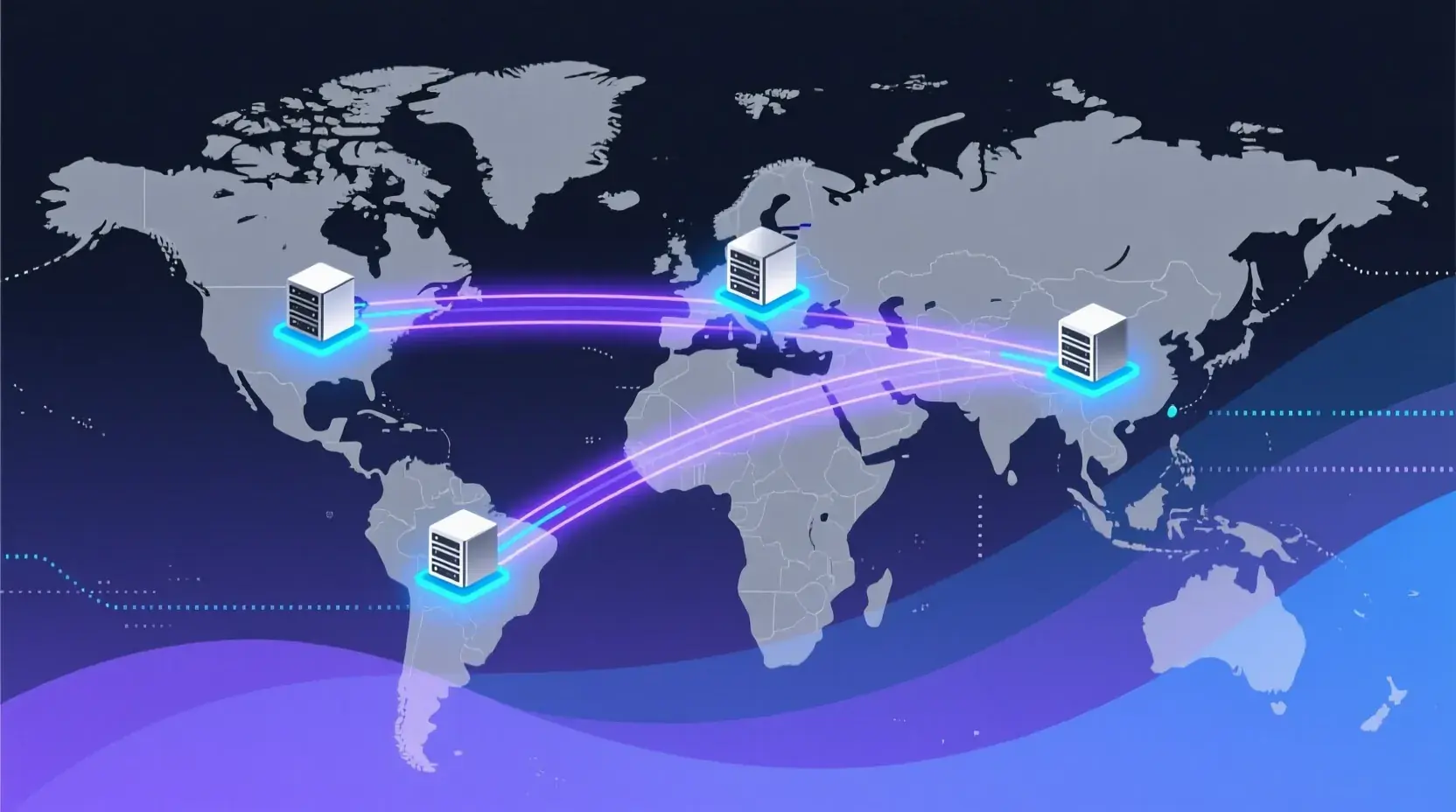
Our infrastructure spans multiple countries. Servers, databases, and backups exist in data centers around the world. Cloud platforms we use distribute data geographically for performance and redundancy. This means your information leaves your home country as a matter of normal operations.
Service providers are located globally. Customer support might be in one country, analytics platforms in another, payment processors in a third. Each service provider access data from their location, creating transfers you might not anticipate.
Privacy regulations in different jurisdictions impose varying protections. European law through GDPR provides strong privacy rights. US law is more fragmented and generally less protective. Emerging privacy laws in various countries create a patchwork of standards. When data moves between jurisdictions, the lowest common denominator often applies.
Transfer mechanisms like Standard Contractual Clauses create contractual obligations to maintain privacy protections when data moves to countries without adequate laws. These are legal frameworks that theoretically extend protections across borders, though enforcement in practice is difficult.
Your data might be accessed or stored in countries where government surveillance is extensive and procedural protections weak. Authoritarian regimes might compel disclosure without due process. We avoid operating in the most problematic jurisdictions, but risk exists anywhere data is stored.
We can’t guarantee that all jurisdictions where your data is processed or stored provide privacy protections equivalent to your home country. Using our service means accepting that your information will cross borders and be subject to foreign laws.
Children’s Privacy
We don’t knowingly collect information from anyone under eighteen, or whatever the local legal gambling age is if higher. Our terms prohibit underage access, and age verification is required during registration.
Age verification isn’t perfect. Determined minors using false information or borrowed documents might slip through. When we discover underage accounts, they’re closed immediately and permanently. Deposited funds are returned, but any winnings are forfeited.
Parents discovering their children have created accounts should contact us immediately. We’ll close the account, investigate how age verification failed, and take corrective measures to prevent recurrence.
Content on our site isn’t designed for children and might be inappropriate for minors. Beyond the gambling aspect, mature themes and language appear in some areas. Parental control software can block access to gambling sites, and parents bear responsibility for monitoring their children’s internet use.
Changes to This Policy
Privacy policies evolve as business practices, technologies, and regulations change. We update this policy periodically to reflect current practices and requirements.
Material changes that substantially affect your rights or how we handle information will be announced prominently. We’ll notify you through email, site banners, or other prominent methods. You’d have opportunity to review changes before they take effect when possible.
Minor updates happen more frequently without special notification. Clarifications, formatting improvements, corrections of typos, and similar changes don’t warrant announcements. The last updated date at the bottom indicates when the policy was most recently modified.
Continued use after changes constitutes acceptance of the revised policy. If you disagree with changes, your recourse is stopping use of the service. This isn’t ideal from a fairness standpoint, but alternatives aren’t practical for services with millions of users.
Major regulatory changes like new privacy laws might require substantial policy revisions. We’ll comply with new legal requirements even if doing so requires modifying existing practices or policies. Your consent isn’t required for changes necessary to comply with law.
Contact and Questions

Privacy concerns or questions can be directed to our privacy team through contact methods listed on our site. We designate data protection officers where legally required, and those contacts are provided for relevant jurisdictions.
Responses to privacy inquiries typically take longer than routine customer service questions. Complex requests might require investigation across multiple systems and consultation with legal teams. Allow reasonable time for thorough responses.
Complaints about our privacy practices can be made to supervisory authorities in your jurisdiction. You don’t need to contact us first before filing regulatory complaints, though we’d appreciate the opportunity to address concerns directly.
We take privacy seriously, not just as legal obligation but as component of trust and user respect. This policy aims for transparency about practices that are often hidden or obscured. You deserve to know what happens to your information, even when that knowledge is uncomfortable.
Go back to the homepage.
