Seasonal and Tournament Bet Builders: Event-Specific Strategy
 Available in US
Different competitions and seasonal phases create distinct betting environments that demand adjusted bet builder strategies. A Premier League match in August operates under different dynamics than one in May. A Champions League knockout tie differs fundamentally from a World Cup group stage match. Understanding these contextual variations improves bet builder construction across football’s varied competitive landscape.
The key insight is that competition format and timing influence team behavior, motivation, and statistical patterns. What works for mid-season league matches may fail in tournament knockouts or end-of-season fixtures. Adapting your approach to these variations distinguishes sophisticated bet builders from those applying static methods regardless of context.
League Phase Considerations
Domestic league seasons span nine months, and team behavior evolves across this timeline in predictable ways.
Early season matches feature elevated uncertainty. New signings are integrating, tactical systems are developing, and fitness levels vary. Statistical baselines from the previous season may not apply to current squads. This uncertainty can create value when markets overweight stale data.
Mid-season matches typically produce the most reliable statistical patterns. Teams have established form, lineups are settled, and playing styles are clear. Your analytical foundations are strongest during this period, making complex bet builders more defensible.
Late season motivation varies dramatically. Title chasers play with intensity while mid-table teams with nothing to play for might lack commitment. Relegation battles produce desperate football that defies normal patterns. Identifying motivational mismatches reveals value invisible in raw statistics.
The fixture congestion around holiday periods, particularly in English football, affects team performance and rotation. Matches during these periods suit unders on player props and potentially unders on goals as tired legs produce lower quality football.
Cup Competition Dynamics

Domestic cup competitions create unique betting environments distinct from league play.
Early cup rounds often feature squad rotation by top teams. Reserve players and youth prospects get opportunities, affecting team quality and player prop selection. Monitor team news carefully for cup matches against lower-league opponents.
The knockout format means every match is decisive. Teams cannot afford losses, producing conservative approaches in many cup ties. This caution suits unders in certain matchups, particularly when both teams prioritize not losing over winning convincingly.
Two-legged ties create complex dynamics across both matches. First leg strategies often prioritize not conceding away goals or preserving options for the return. Second legs depend entirely on aggregate scorelines, with trailing teams forced to attack and leaders able to sit back.
Cup final matches historically produce fewer goals than regular league fixtures. The elevated stakes and fear of losing concentrate minds and produce cagey affairs. Finals bet builders might lean toward defensive selections and lower totals.
European Competition Specifics
European club competitions like the Champions League and Europa League present unique bet builder challenges.
The clash of different football cultures creates analytical uncertainty. How does a Spanish team’s style interact with a German opponent’s approach? These cross-league matchups lack the historical data available for domestic fixtures.
Travel and scheduling affect European performances. Teams traveling significant distances or playing league matches shortly before European fixtures may show fatigue. Midweek European games followed by weekend domestic matches create recovery challenges.
The prestige of European competition influences performance. Some teams consistently raise their level for European nights, while others struggle to replicate domestic form on the continental stage. Track team-specific European records alongside domestic performance.
The league phase format in modern Champions League means motivation varies across matchdays. Teams secure in qualification may rest players, while those fighting for position commit fully. Understanding standings implications informs bet builder construction.
International Tournament Betting
Major international tournaments like World Cups and European Championships create completely different betting environments.
Squad limitations mean teams cannot adjust through transfers. Injuries and suspensions create permanent problems rather than temporary absences solved by squad depth. A key player’s fitness significantly affects tournament predictions.
Group stage matches see varied motivation. Teams already qualified may rest players while those needing results commit fully. Understanding qualification scenarios reveals motivational edges.
Knockout rounds produce conservative football, particularly in early stages. Teams prioritize not being eliminated over maximizing victory margins. This produces tight matches with lower goal totals than group stage averages.
Fatigue accumulates across tournaments. Teams reaching later stages have played more football than those eliminated earlier. Finals often feature tired players making mistakes rather than peak performances.
Pre-Season and Friendly Matches
Pre-season friendlies attract betting interest but require completely different analytical approaches.
Team objectives differ from competitive matches. Building fitness, trialing formations, and giving minutes to fringe players take priority over winning. Normal competitive dynamics do not apply.
Rotation throughout matches is standard. A team might field two entirely different elevens across each half. Player props become nearly meaningless when playing time is uncertain.
Effort levels vary dramatically. Some teams treat pre-season seriously while others prioritize avoiding injuries over results. Understanding team culture and manager approaches helps assess specific friendly match dynamics.
Goals often flow more freely in pre-season due to experimental lineups, fitness gaps, and reduced defensive intensity. However, tactical practices that prioritize fitness might produce lower scoring as teams focus on structure rather than attack.
End of Season Markets
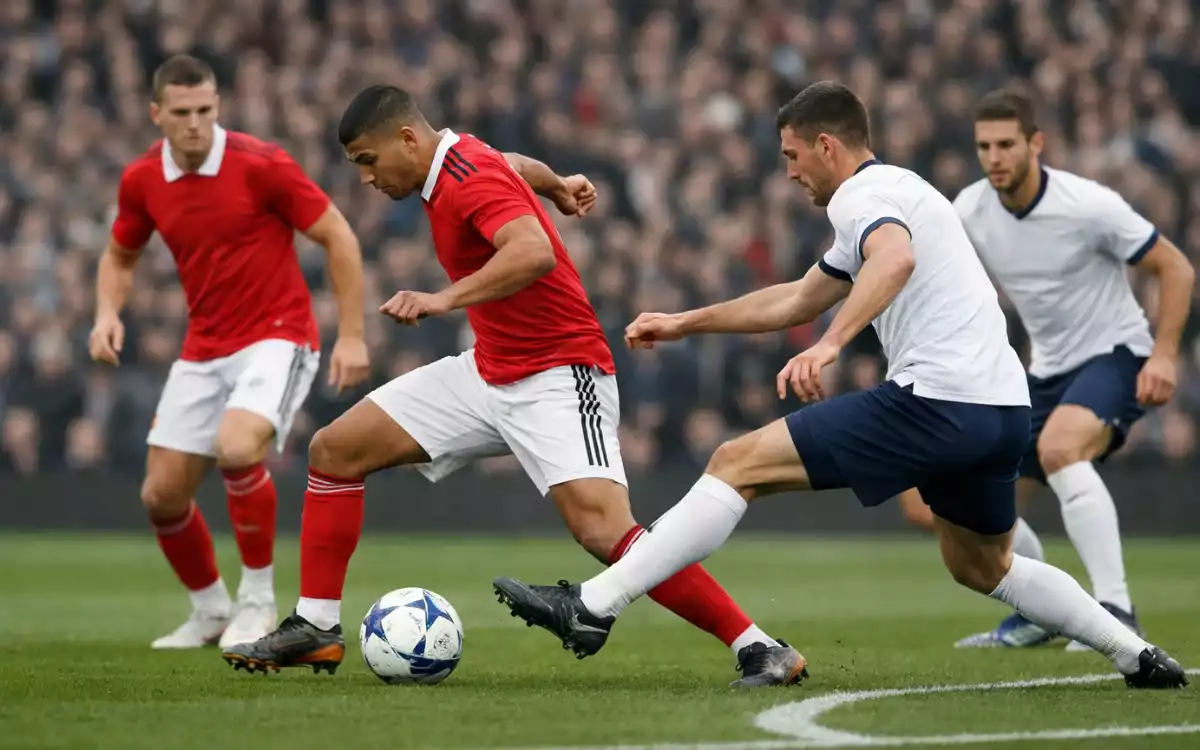
Season-ending fixtures produce unique market conditions across various outcomes already decided or still contested.
Dead rubber matches between teams with nothing to play for often produce strange results. Without motivation driving intensity, anything can happen. These matches suit either avoiding entirely or seeking long-odds outcomes that lack normal probability constraints.
Teams celebrating secured achievements sometimes underperform in following matches. Post-championship or post-safety relief can produce flat performances as players lose their edge.
Conversely, teams fighting for survival or European places until the final day produce maximum intensity. These high-stakes fixtures suit normal competitive analysis adjusted for elevated motivation.
Player props for top scorer or assist leader races influence individual behavior in season finales. Players chasing statistical milestones may take more shots or seek more assists than normal, affecting prop expectations.
Tournament Outrights and Match Combinations
While primarily a match-level guide, tournament context informs individual match bet builders.
Teams expected to progress deep into tournaments face more matches than predicted early exits. This cumulative fatigue affects later-round performance and informs bet builder construction for potential deep run participants.
Draw opening rounds that create favorable paths influence team confidence and approach. Teams seeing manageable routes to finals may show different mentality than those facing difficult brackets.
Form cycles through tournaments mean teams peak at different stages. Some start slowly and build, others blaze early and fade. Understanding where teams are in their tournament form cycles improves match-level predictions.
Adapting Bet Builder Strategies
Seasonal and tournament variations require strategic adaptation rather than rigid approach application.
Reduce player prop exposure in matches with likely rotation. Unknown playing time renders individual predictions unreliable. Focus on team-level markets when lineup uncertainty exists.
Increase defensive selection weighting in knockout competitions. The conservatism inherent in elimination formats suits unders on goals, clean sheet selections, and low-scoring exact scores.
Account for motivation explicitly in late-season and group-stage betting. Teams with nothing to play for behave differently than those fighting for their competitive lives.
Adjust research timeframes for different competition phases. Early season matches may require previous season data while late season matches suit current season form emphasis. Tournament matches require tournament-specific research.
The thoughtful bet builder adapts to competition context rather than applying uniform strategies regardless of circumstance. Different events produce different dynamics, and recognizing these variations improves construction quality across football’s diverse competitive calendar.
