NFL Same Game Parlay Guide: Building Winning SGPs
 Available in US
The same game parlay has become the defining betting product of modern NFL wagering. What started as an experimental feature has evolved into the centerpiece of many sportsbooks’ offerings, with operators reporting that SGPs now account for a significant portion of their NFL handle. The appeal is straightforward: combine multiple predictions about a single game into one cohesive bet with enhanced odds. But the simplicity of the concept masks considerable complexity in execution. Building profitable NFL same game parlays requires understanding not just football, but how outcomes correlate and how bookmakers price those correlations.
The NFL presents unique opportunities for same game parlays that differ from other sports. Games are fewer and more heavily analyzed, meaning market efficiency is higher on standard bets but potential inefficiencies remain in correlation pricing. The sport’s structure, with distinct offensive drives and clear statistical tracking, creates natural connections between player performance and team outcomes that savvy bettors can exploit. Understanding these connections is the foundation of successful NFL SGP betting.
Understanding NFL Market Correlations
The most fundamental skill in NFL same game parlay betting is recognizing how different outcomes relate to each other. Positive correlation exists when one outcome makes another more likely. If you expect a quarterback to throw for 300 yards, that expectation should logically connect to expectations about his receivers, his team’s scoring, and potentially the game total. Negative correlation works in reverse: betting on a defensive struggle with low scoring while also backing a quarterback’s over on passing yards creates internal tension in your bet.
Quarterback performance sits at the center of most NFL correlations. A quarterback having an excellent game typically means his primary receivers accumulate statistics, his team moves the ball effectively, and scoring follows. This creates natural stacking opportunities where you combine a quarterback’s passing yards with a receiver’s receiving yards and perhaps a team total or spread. The key insight is that these selections should tell a consistent story about how you expect the game to unfold.
Running back production correlates differently depending on game script. When a team leads comfortably, running backs often see increased carries in the second half as the offense grinds clock. Conversely, teams trailing must abandon the run, which can hurt rushing props but boost passing numbers. This game script dynamic means that combining a team’s spread with player props requires thinking through the likely flow of the contest. Backing an underdog running back’s over on rushing yards while also taking his team to lose by multiple scores creates a contradiction that should give you pause.
Defensive outcomes add another layer of complexity. Interceptions, sacks, and turnovers correlate with certain quarterback matchups and offensive line situations. A quarterback facing a fierce pass rush behind a struggling offensive line becomes more likely to throw interceptions and take sacks. These defensive props can combine effectively with unders on that quarterback’s passing totals or with overs for the opposing team.
Player Prop Selection Strategy
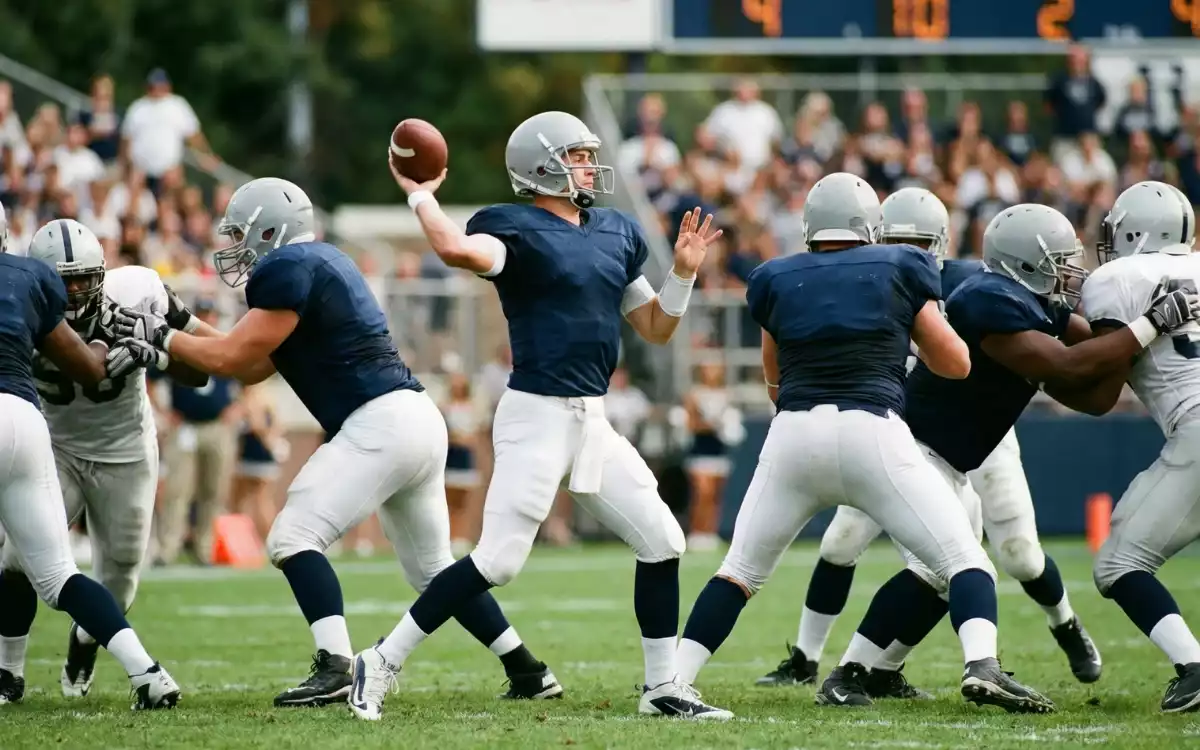
The prop markets form the backbone of most NFL same game parlays, and approaching them systematically separates profitable bettors from recreational ones. Start with the game environment rather than individual players. Is this likely to be a high-scoring shootout or a defensive grind? Will weather affect the passing game? Is one team likely to control possession and dictate pace? These macro factors should inform every player prop selection that follows.
Quarterback props deserve careful attention because of their central role in NFL offenses. Passing yards totals depend heavily on game script, opponent defense, and game total. A quarterback in a projected high-scoring affair against a weak secondary has natural tailwinds for his over, but those same conditions often mean the opposing quarterback also has favorable conditions. Passing touchdowns carry higher variance than yardage props because of red zone unpredictability. Completion percentage props can offer value when matchups create clear advantages or disadvantages.
Receiver props should connect logically to your quarterback expectations. If you believe a quarterback will exceed his passing yards total, ask yourself who will accumulate those yards. Target share data tells you which receivers dominate their team’s passing game. High-target receivers in plus matchups against weak cornerbacks create natural value opportunities. Conversely, talented receivers drawing top coverage may struggle to hit their yardage totals even if the overall passing game thrives.
Running back rushing props require game script projection. Heavy favorites often run more in the second half, boosting their primary back’s totals. Underdogs typically pass more when trailing, suppressing rushing numbers. Receiving props for running backs can offer SGP value because they correlate with game script in the opposite direction: trailing teams throw more, often to backs out of the backfield.
Building Coherent Game Narratives
The most successful same game parlays tell a coherent story about how you expect the contest to unfold. Rather than selecting props independently, construct a narrative and then find selections that fit within it. This approach naturally creates positive correlation between your picks and reduces the risk of internal contradictions that doom many amateur SGPs.
A dominant favorite narrative might combine the favored team’s spread coverage with their quarterback’s passing yards over, their primary receiver’s yardage over, and perhaps an under on the opposing running back’s rushing yards. This construction assumes the favorite controls the game, moves the ball effectively through the air, and forces the underdog into negative game script that limits their rushing attack. Each selection reinforces the others.
A competitive shootout narrative takes a different approach. Here you might combine the game total over with passing yards overs for both quarterbacks and perhaps anytime touchdown scorer props for multiple receivers. You are betting on offensive success for both teams rather than picking a winner, which creates strong positive correlation across your selections. This type of construction works best in matchups between high-powered offenses with questionable defenses.
A defensive struggle narrative inverts the logic. Combine the game total under with conservative passing yards unders for both quarterbacks. Add a prop on field goals made if available, since low-scoring games often feature multiple field goal attempts. This construction bets on both offenses struggling rather than either succeeding, creating coherent internal logic.
Exploiting Bookmaker Weaknesses
Bookmakers use algorithms to price same game parlays, and these algorithms handle some correlations better than others. The goal is finding spots where the correlation adjustment underprices the true relationship between outcomes. This is where edge exists in NFL SGP betting, and it requires understanding what bookmakers might miss.
Player performance within the same offensive unit often creates exploitable correlations. When a receiver catches passes, someone must throw them. When a running back scores a rushing touchdown, the team obviously scored. These obvious correlations are typically priced appropriately. But subtler connections may be underpriced: a tight end’s receiving yards when facing a defense that struggles to cover the position, or a backup running back’s involvement when the starter has historically struggled against a particular defensive front.
Weather creates correlation opportunities that algorithms may underweight. Heavy rain or strong wind suppresses passing games broadly, but the correlation between weather conditions and props for specific players varies by style. A quarterback with a strong arm might handle wind better than a touch passer. A team with an elite running game becomes more valuable when conditions favor ground attacks.
Injury situations also create mispricing opportunities. When a primary receiver sits out, his targets must go somewhere. Second and third options often see significant target increases, but their props may not fully adjust. Similarly, backup quarterback situations create correlations that standard pricing may miss.
If you enjoy the NFL, check out our NBA bet builder strategy.
Stake Sizing and Variance Management
NFL same game parlays carry substantially higher variance than straight bets, and your stake sizing must reflect this reality. The compounding nature of parlay odds means that even carefully constructed SGPs with positive expected value will lose more often than they win. Without proper bankroll management, even skilled bettors can experience devastating drawdowns.
Keep SGP stakes to a small percentage of your overall bankroll, typically one percent or less for most bettors. This allows you to weather the inevitable losing streaks without depleting your funds. The higher the number of legs in your SGP, the lower your stake should be, since probability of success decreases exponentially with each addition.
Track your SGP results separately from your straight betting results. The different variance profiles mean that standard bankroll management approaches may not translate directly. Consider setting a separate allocation specifically for parlay betting that you treat as high-risk capital. This psychological separation can help prevent the frustration of SGP losses from affecting your decision-making on lower-variance bets.
Resist the temptation to increase stakes when chasing appealing odds. Those 10/1 or 20/1 payouts exist because the probability of hitting is low. Larger stakes on longshot SGPs lead to accelerated bankroll depletion. Instead, maintain consistent stake sizing and allow volume and edge to work in your favor over time.
Common Mistakes and How to Avoid Them

Several patterns doom NFL same game parlay bettors. The most common is correlation ignorance, selecting props without considering how they relate to each other. Backing an underdog’s running back to go over his rushing total while also taking that underdog to lose by two touchdowns creates a contradiction. Teams losing badly do not run the ball effectively. Every selection should pass the coherence test: does this outcome fit the game story your other selections are telling?
Over-reliance on star players represents another frequent error. Elite players attract heavy public betting, which means their props are priced aggressively. Patrick Mahomes, Josh Allen, and other marquee names carry razor-thin margins. Value often exists in secondary players whose props receive less attention and less precise pricing. Do not stack your SGP with household names simply because you recognize them.
Ignoring game environment kills many otherwise thoughtful SGPs. Weather, altitude, artificial turf versus grass, dome versus outdoor, and other contextual factors influence outcomes systematically. Checking conditions before building your parlay takes minimal effort but catches obvious errors before you commit capital.
Chasing large parlays for entertainment sacrifices edge for excitement. Each leg you add dilutes your probability of success. The optimal SGP typically contains three to five carefully selected, positively correlated legs rather than eight or ten hopeful guesses. Discipline in leg count directly correlates with long-term profitability.
The NFL same game parlay rewards bettors who understand football deeply, think in terms of game flow and correlation, and maintain disciplined bankroll practices. The product exists because it generates profit for sportsbooks, but that does not mean edge is absent for skilled practitioners. By constructing coherent narratives, exploiting pricing weaknesses, and managing variance appropriately, you can approach NFL SGPs as a serious betting tool rather than mere entertainment.
Discover strategies for all US sports at BuildBetGuide.com.
